





Tire Knowledge

The correct tire pressure

Hardly any setting on a vehicle has as much influence as tire pressure. It determines how your vehicle reacts to steering commands, how evenly the tread wears, and how much the tire heats up during driving. If the pressure is set incorrectly, the tire wears out faster, the handling becomes unstable, and damage becomes more likely. With the correct pressure, on the other hand, your tire lasts longer and delivers the performance it was built for.

That's what matters.

Why the right pressure matters

Security & Control

If there is too little air in the tire, the sidewall will give more when rolling. The vehicle will respond sluggishly to steering, and it will lose stability in corners. If the pressure is correct, handling will remain predictable and grip reliable.

Longer lifespan

If the pressure is too low, the tire shoulders bear the load primarily, and if the pressure is too high, the center of the tread bears the load. Both lead to uneven wear. The correct pressure distributes the load evenly across the tread.

Consumption & Heat

Too low a pressure increases rolling resistance. This wastes fuel and generates heat inside the tire, which damages it in the long run. The correct pressure keeps the temperature in a safe range.

Step by step

Here's how to check tire pressure correctly

01
Measure when cold

Always check the tire pressure before driving, as long as the tires are cold. They heat up while driving and the pressure increases; a reading with warm tires will mislead you.

02
Check regularly

Every tire loses some air over time, all by itself. Therefore, check the pressure at least once a month, in addition before long trips and always when you are traveling with a heavy load.

03
Adapt to the load

The more weight the tire carries, the more pressure it needs. Use the calculator below to find the appropriate value for your axle load. Never exceed the maximum pressure indicated on the tire sidewall.

Calculate your optimal tire pressure

For every Loder Tire, we have stored the exact load capacity values. Simply select your tire size and your axle load, and you'll get the appropriate air pressure immediately.

The calculator

Tire Pressure Calculator

Determine the optimal air pressure for your Loder Tire. Select your tire size and set your vehicle's axle load.

4.409 lbs
Max. Axle load:
Recommended tire pressure
bar
Select tire size and axle load
Attention The selected axle load exceeds the maximum load capacity for this tire size.
Note

The specified values are technical guidelines for load-bearing capacity depending on air pressure. Depending on the vehicle, axle load, terrain, and area of use, a moderate adjustment of the air pressure may be advisable in individual cases to improve traction and handling. The load-bearing capacity required for the respective axle load must not be undercut. Before driving at high speeds, the air pressure must be readjusted to the specified cold pressure.

FAQ

Frequently Asked Questions

Here you'll find answers to the most important questions about tire pressure: from correct measurement and the effects of incorrect values to the right settings for your load.

How often should I check my tire pressure?

At least once a month. Since every tire loses air on its own over time, regular checks are worthwhile. You should also check before long trips and when carrying heavy loads.

While driving, the tire heats up, causing the internal air pressure to rise. If you measure the warm tire, you'll get a reading that's too high. If you then let air out, the tire will be underinflated while driving once it cools down again.

The tire flexes more, heats up, and wears out, especially at the shoulders. At the same time, steering response and cornering stability deteriorate, rolling resistance increases, and fuel consumption rises. The tire's load-carrying capacity also decreases.

The load is concentrated on the center of the tread, which causes uneven wear. The tire is less able to absorb shocks from potholes or stones, and ride comfort suffers.

The more weight the tire carries, the more pressure it needs to safely support that load. As the load increases, the pressure must also be adjusted, but never beyond the maximum value indicated on the tire sidewall.

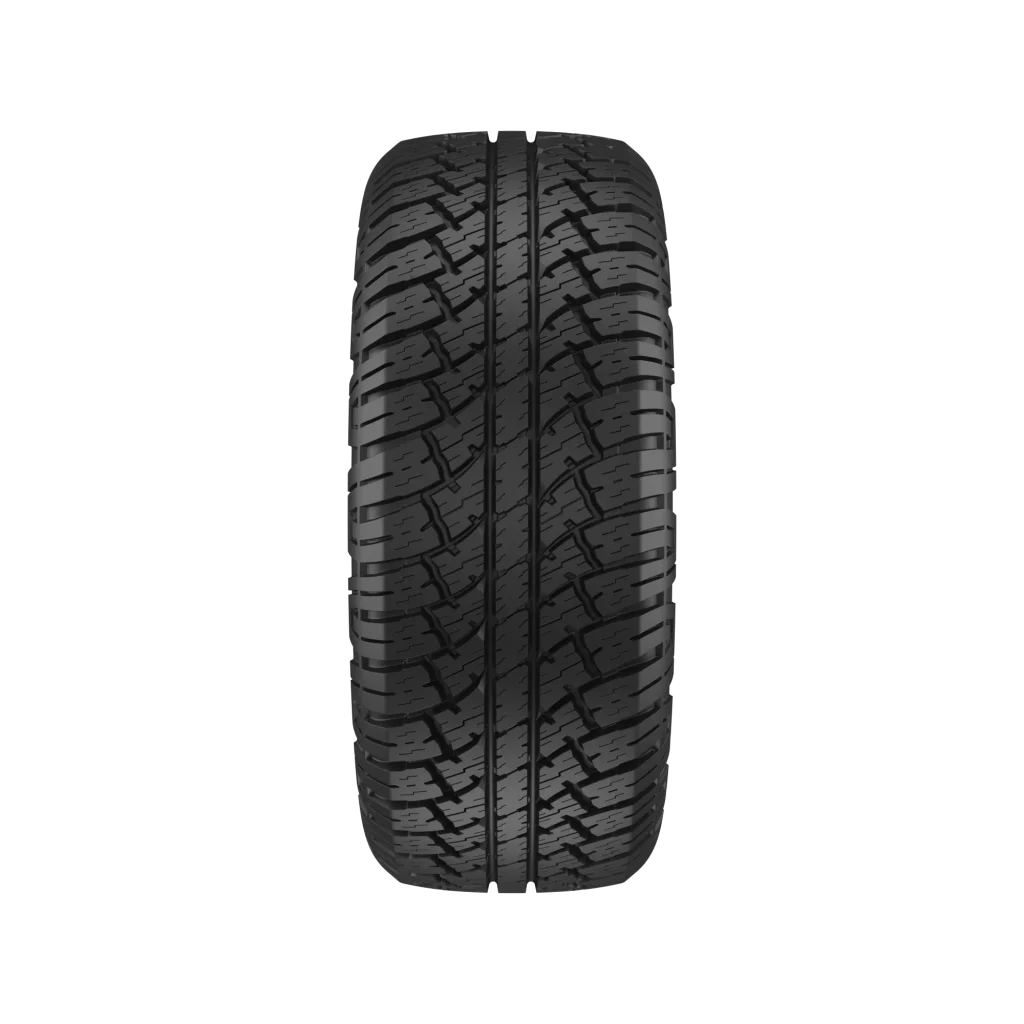
LoderTire AT#1 Profile View

AT#1

16", 17", 18"
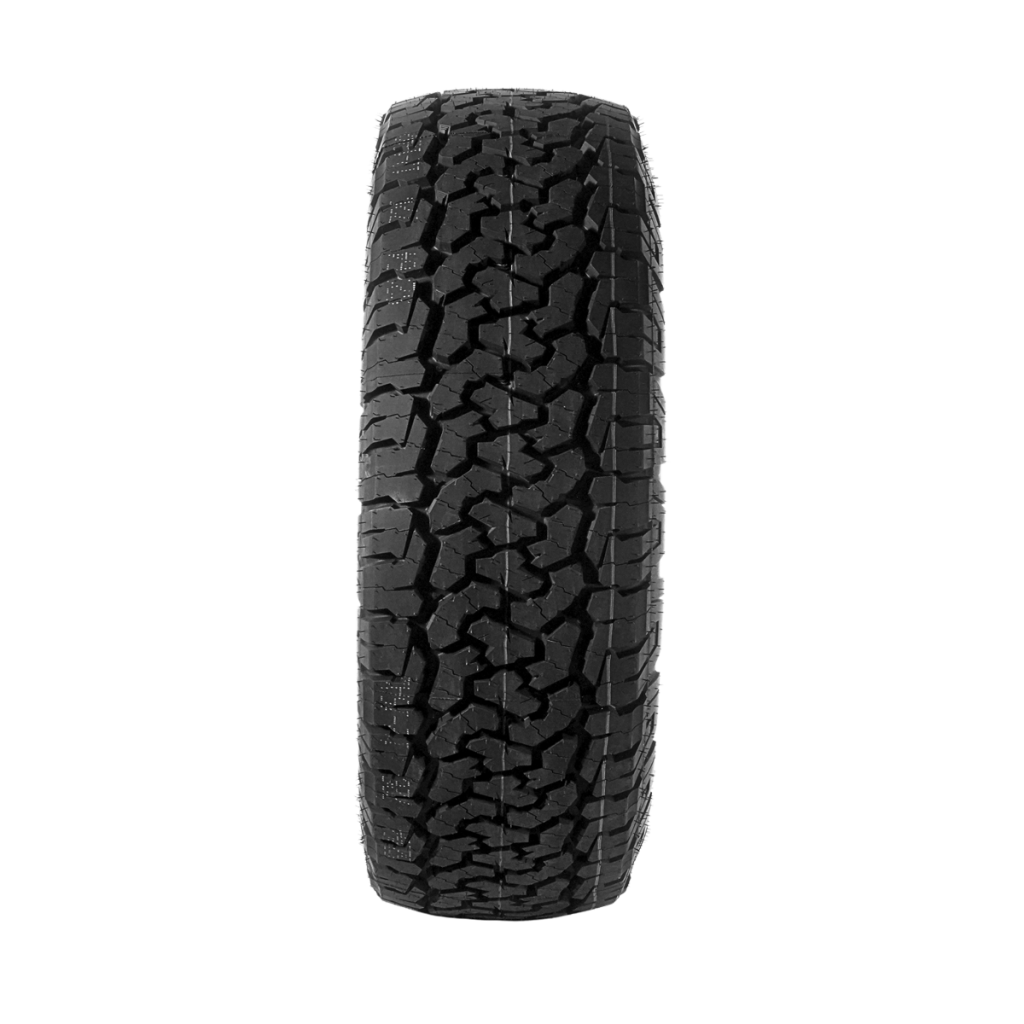
Loder AT#2 All-Terrain Tires for SUVs and Off-Road Vehicles: Tread Pattern View

AT#2

18"
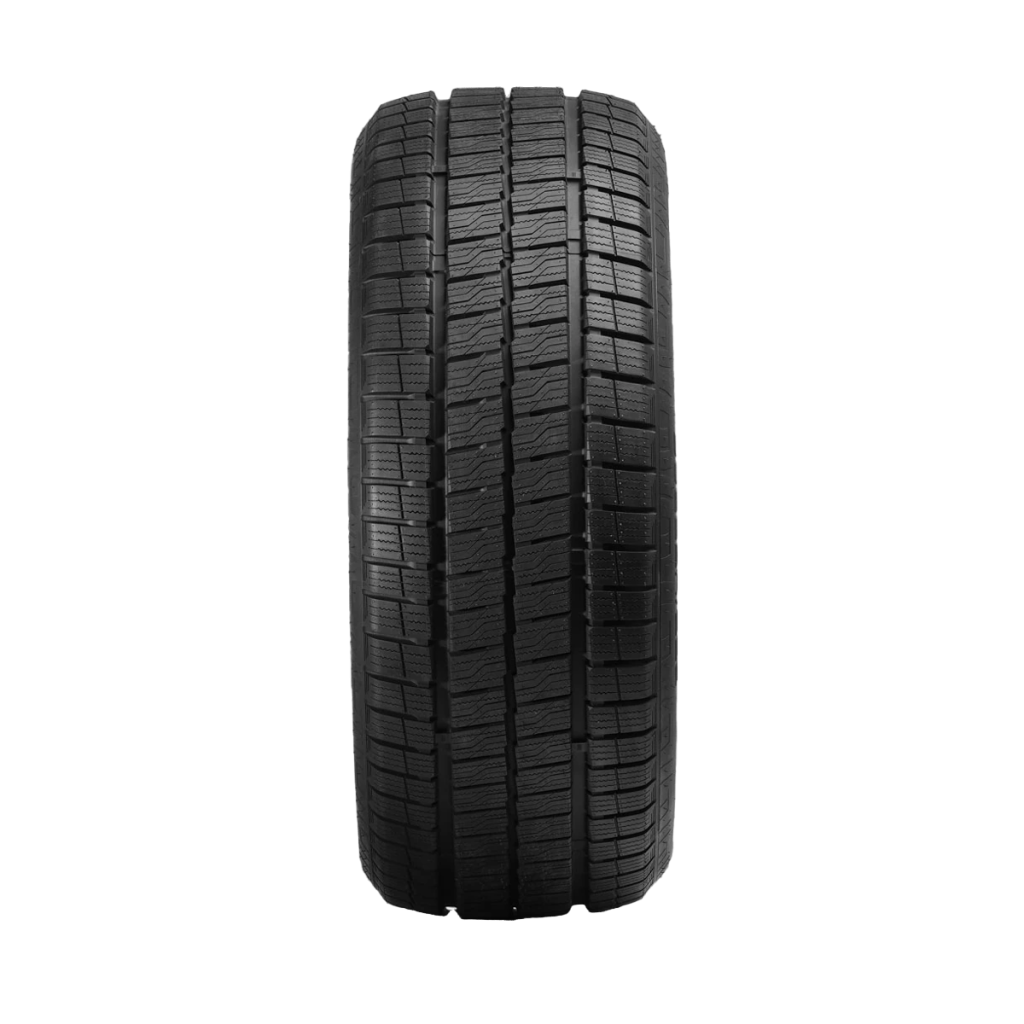
Loder AS#1 Premium All-Season Tires for Sedans - Tread Pattern View

AS#1

20"
16", 17", 18"
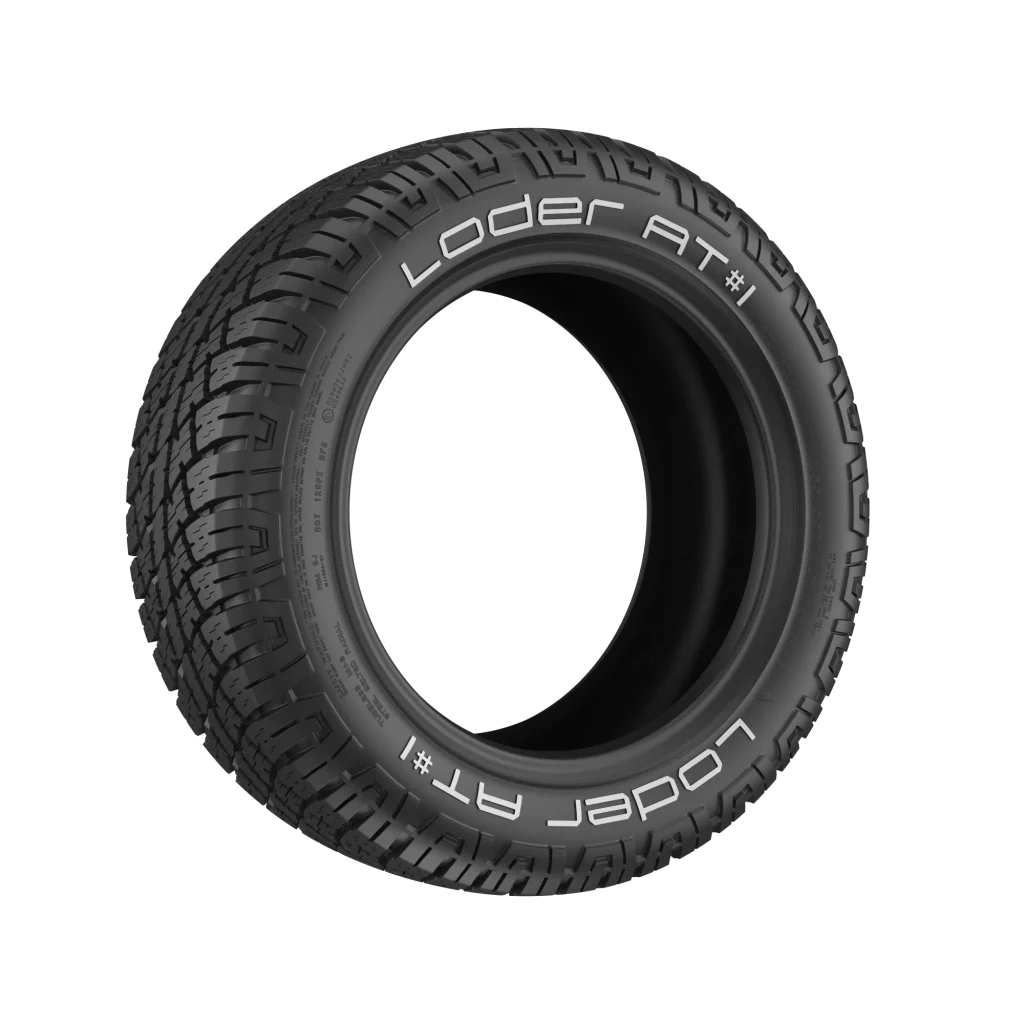
LoderTire AT#1 in a side view against a white background

Buy your tires directly from the manufacturer.

Buy now

Capricorn Trucks

Buy the tire in Switzerland through Capricorn Trucks.

Tyre24

Buy the tire on Tyre24.

Tire Anton

Buy the tire at Reifen Anton.

Vanstudio

Buy the tire from Vanstudio.

Camper Wheels

Buy the tire at Camper Wheels.

Ramto

Buy the tire at Ramto.